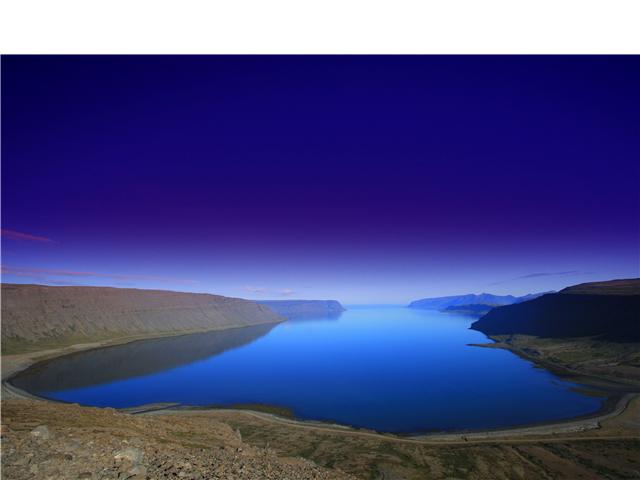
The westernmost point of Iceland is also one of the most consequential pieces of coastline in Europe for seabirds. Látrabjarg is a cliff face that runs roughly 14 kilometres along the Atlantic edge of the Westfjords, rising in places to around 440 metres above the ocean. The scale is geological. The birds are the reason most people come.
Why It’s Worth the Trip
Numbers help here. Látrabjarg hosts one of the largest seabird colonies in Europe, with millions of individual birds occupying the cliff face during breeding season. The species list includes Atlantic puffins, razorbills, common murres, thick-billed murres, northern fulmars, and kittiwakes. Gannets appear offshore. The sheer density of life packed into the vertical rock faces is something that photographs struggle to represent accurately.
What makes Látrabjarg unusual, even by Iceland’s standards, is proximity. Puffins nest in burrows cut into the turf right at the clifftop edge, and during the height of breeding season they are often completely indifferent to people standing a metre or two away. This is not the result of feeding or habituation to handouts. It seems to be a function of the cliffs’ remoteness over centuries. The birds simply have not learned to fear humans in the way cliff-nesters elsewhere have. That trust is worth respecting carefully.
Razorbills tend to occupy lower ledges on the cliff face itself, which makes them harder to observe closely, but the cliff profile allows views down onto nesting activity that you would not get from most coastal locations. If the light is good and the wind is manageable, watching razorbills navigate the cliff face is genuinely absorbing.
The ocean views are a secondary consideration, but they are present and they are real. On a clear day the Atlantic stretches unbroken to the west. The cliff edge itself is dramatic in a purely physical sense, the kind of vertical drop that makes most people step back instinctively before they lean in.
How to Get There
Látrabjarg is remote by any reasonable definition. It sits at the far western tip of the Bjargtangar peninsula in the southern Westfjords, and reaching it requires either a long drive or a combination of ferry and road travel.
From Reykjavik, one common approach is to take the Baldur ferry from Stykkisholmur across Breiðafjörður to Brjanslaekur, then drive westward along the southern coast of the Westfjords. The drive from Brjanslaekur to the cliffs takes a couple of hours. Much of the road is unpaved and the surface varies with weather conditions. Some sections are narrow. The scenery along the way is demanding of attention, which requires deliberate effort to manage safely.
Driving the full route from Reykjavik without the ferry is possible but adds considerable time. The Westfjords roads are generally not fast roads. Budget the driving honestly and factor in fuel, since petrol stations in this part of Iceland are sparse.
A small number of tour operators offer guided day trips or longer packages to Látrabjarg, which removes the navigation and road stress but reduces flexibility.
What to Expect on Arrival
The clifftop is accessible by foot from a car park near the western end of the peninsula. The walking is easy. The terrain is grassy clifftop, largely flat or gently undulating, with no technical challenge involved. The path along the cliff edge is informal in places rather than marked and maintained in the way a formal trail would be.
Three hours is a reasonable time allocation for most visitors, though you could spend considerably longer if you are a serious birder or photographer. The walk allows you to move along the cliff at your own pace, stopping where the bird activity is concentrated.
Facilities at the site are minimal. There is no visitor centre, no cafe, no interpretive infrastructure of significance. This is part of what keeps the experience direct and unmediated, but it also means you need to arrive self-sufficient. Bring water, food if you will be there for a full session, and clothing for conditions that may shift.
Wind is almost always present at Látrabjarg to some degree. The cliff creates its own microclimate effects, and even in summer a warm day in Reykjavik can translate to something considerably cooler and more exposed at the cliff edge. Layering is not optional.
When to Go
The birds are present at the cliffs from roughly late April through August, with peak numbers and the most active breeding behaviour concentrated in June and July. Puffins begin departing from mid-August onward, and by early September most have left for the open ocean. If puffins are your primary reason for making the journey, June and July are the reliable window.
The long daylight hours of Icelandic summer are a genuine advantage here. The cliffs face generally westward, which means late afternoon and evening light can produce excellent photographic conditions. Visiting in the hours before midnight in June is entirely practical given how light it remains, and the cliff can feel quieter then than during midday.
Fog is common along this coastline. It can descend quickly and reduce visibility significantly. This does not make the experience meaningless, but it changes it, and photography becomes much harder. Weather along the Westfjords coast can be variable even within a single day, so checking conditions before the drive and remaining flexible if possible makes sense.
Tips and Responsible Visitor Notes
A few things matter more at Látrabjarg than at most wildlife sites.
Stay back from the cliff edge. This is safety advice first. The turf at the cliff edge is sometimes unstable, and the drop is extreme. But it is also relevant to the birds. Burrow entrances are not always visible, and it is possible to damage nesting sites by walking too close.
- Do not touch the birds, even when they allow close approach. The temptation is understandable. The birds’ apparent calm does not mean handling is harmless.
- Do not block burrow entrances. Puffins need to move in and out regularly while feeding chicks. Persistent obstruction causes stress even without physical contact.
- Move slowly and quietly near active nesting areas. Sudden movements flush birds from ledges unnecessarily.
- Bring binoculars even if you expect close views. The razorbills and murres on lower ledges reward optics.
The remoteness that makes Látrabjarg what it is also means help is not close if something goes wrong. Tell someone where you are going. Keep an eye on weather. The cliffs are not dangerous if you are sensible, but sensible is the operative word.
There is no infrastructure here to manage crowds, and in high summer the site does attract visitors. Earlier or later in the day tends to be quieter. The birds are present regardless of when you arrive; the experience of the place is better when it is less crowded.